





Platform Snapshot And Who It Fits
You land in the lobby and the vibe is clear: bright design, lots of tiles, quick paths to games and cashier. Suppose you are in Sydney and you want a short session before dinner - you don’t want a platform that makes you scroll forever just to find one slot. Here, the important part is navigation. If the menus feel clean, you stay in control.
But the real fit is about habits. If you’re the type who plays five minutes at a time on a phone, you’ll care about fast loading and stable sessions. If you’re a “late-night live table” person, you’ll care about stream stability and table limits. Same platform, different pain points.
Access in Australia can depend on what is permitted for your location and your own eligibility, so treat the first week like a trial. Small deposit. Short play. One modest cashout request later. You’re checking how the pipes work, not proving anything.
And keep the mindset simple: entertainment first. If you notice the session turning into chasing, that’s your cue to pause, not to double down.
Account Creation And First Deposit
Sign-up is quick when you do it clean. Suppose you are in Melbourne on a lunch break and you rush the form while your phone keeps buzzing - that’s how typos happen. Typos become delays later, especially when you move money. Two minutes of patience now saves a lot of back-and-forth later.
The first deposit is another “don’t rush” moment. Pick one method you plan to keep using for a while, then stick with it. Constant switching can trigger extra checks and it also makes your own tracking messy.
Sign-Up Steps That Prevent Rechecks
Suppose you’re in Brisbane and you’re half-watching a show while registering. Autocorrect changes your street name, you miss it, and later you’re stuck re-entering details. So do a quick scan before you confirm: name spelling, date of birth, phone number, address format. Match your documents, not your memory.
Set a deposit cap right away if you see the option. It’s not a punishment. It’s a boundary you’ll appreciate when your mood shifts mid-session. And if you plan to withdraw at some point, do verification early, in daylight, when your camera can actually focus.
First Deposit With Less Friction
Suppose you’re in Perth and you want to deposit and play immediately. Choose a method you trust, then keep it consistent for a while. If you deposit with one route and try to withdraw with a totally different one right away, you can add delays for yourself. A clean trail tends to move with fewer questions.
Also start small. Not tiny, not reckless, just small. Your first deposit is a systems test. You’re checking that your account, your device, and your payment path all behave.
Early Verification While Calm
Suppose you hit a win on your first night and you try to verify at 2 a.m. Bad light, shaky hands, blurry uploads, rejection, repeat. Do it earlier instead. Put your ID on a dark surface, avoid glare, show all corners. If a selfie is needed, keep it plain. No filters. No hats. No dramatic angles.
If you get rejected, change the setup, not the file. Better light. Cleaner background. One sharp upload beats five angry retries.

Game Library And Navigation
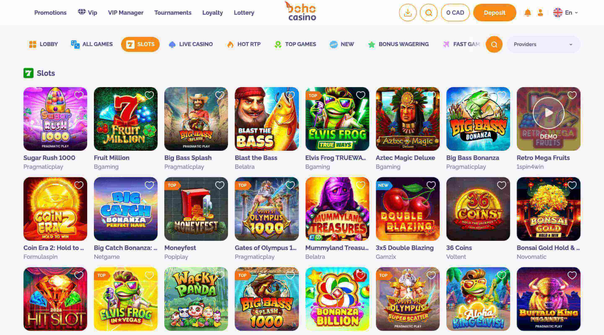
The catalog can be big and still feel annoying if you can’t find what you want. Suppose you’re in Sydney and you only have ten minutes - you need a search bar that behaves and categories that make sense. If you spend the whole break browsing tiles, the platform already stole your time.
I test three things fast: search by name, filter by category, then exit a game and see if the lobby remembers where I was. That last one matters more than people admit. If it throws you to the top every time, you’ll scroll forever.
Connection matters too. Slots tend to handle shaky mobile data better than live streams. Live tables feel great on stable Wi-Fi, then feel awful on a train with bouncing signal. Match the game to your connection and you’ll avoid half the frustration.
Slots For Short Breaks
Suppose you’re waiting for takeaway in Adelaide. Pick one slot, set a low stake, and run 20 spins. That’s a complete micro-session. If it feels smooth, extend. If it feels sticky or laggy, close it and choose another title. No loyalty required.
Set a timer. Ten minutes becomes forty when you chase “one more feature.” A timer breaks the trance.
Live Tables On Stable Wi-Fi
Suppose you’re at home in Canberra on strong Wi-Fi and you want roulette. Open a live table and watch the stream for a full minute before betting. Check chip placement delay. If taps feel late, you’ll feel rushed and start making sloppy choices.
Also check table minimums immediately. If the minimum is higher than you planned, back out. That’s not missing out, that’s staying in control.
Bonus Offers And Promo Settings
Promotions can add value, but they also add rules. Suppose you’re in Melbourne and you want a clean cashout later tonight - promo mode might be the wrong choice if it locks part of your funds behind conditions. That’s not “bad,” it’s just a deal you need to understand.
Think in modes. Mode one: clean funds, simpler wallet, easier exits. Mode two: promotional credit active, longer session, conditions accepted. Mixing modes mid-session is where confusion starts.
Before you opt in, read the finish line. Three parts matter most: playthrough requirement, max bet cap while conditions are active, and which games count fully. If any of those are unclear, skip the offer and play with clean funds. You can always opt in later when you’re calm.
Max bet caps catch people off guard. Suppose you’re bored and you raise your stake “just for a few spins.” Breaking a cap can create problems, from reduced eligibility to a messy balance situation. So decide a stake ladder before you start and stick to it.
Time windows matter too. If an offer expires quickly and you can’t finish comfortably, don’t start. Rushed play leads to bad bets. Bad bets lead to bad moods.
Payments And Cashout Expectations
Money movement is where trust is earned. Suppose you’re in Brisbane on a Friday night, you finish a session, and you want to send a cashout request before bed. The calm routine is simple: check wallet eligibility, submit once, screenshot the confirmation, then wait.
Think in stages. There’s an internal review stage, then there’s the provider transfer stage. If you separate those in your head, you stop refreshing the page like it’s a slot machine. Check, wait, live your life, check again later.
Pick one method and stick with it for a while. Switching routes every week can trigger extra checks and it also makes your own tracking messy. Consistency is boring. It works.
Status Stages And What They Mean
Suppose your request shows a “review” style status and you start spiraling. Review can be normal, especially after profile changes, device changes, or first-time cashouts. Screenshot the status text and note the time in AEST. If you need support, you’ll have facts, not guesses.
If the platform shows multiple steps like received, checked, approved, sent, that’s helpful because you can see progress. If it shows one generic label, you may need to rely on time and support updates. Either way, don’t spam multiple requests. One clean request beats five chaotic ones.
Common Delay Triggers
Suppose you changed your phone number today, logged in from a new device, and requested a cashout tonight. That pattern invites extra checks. Spread changes out. Make edits on quiet days, not during money moves.
Weekend windows can stretch timelines too. If you submit late Friday, it can feel slow through the weekend even when everything is fine. Plan around that if speed matters to you.
And watch minimum thresholds. Tiny leftovers may not move via certain routes until you meet a minimum. Treat it like change, not like a mystery.
Mobile Experience And Performance
Phone play is where most sessions happen, and it’s also where most glitches feel personal. Suppose you’re on a train in Sydney and your signal bounces - the lobby reloads, you get logged out, and you think the platform is broken. Often it’s your phone protecting itself by reloading tabs when memory is tight.
Keep sessions lighter on mobile. Close heavy background apps. Free some storage. Turn off battery saver during play if it throttles performance. And use stable internet for cashier actions whenever you can.
Here’s a quick table of what tends to go wrong on mobile and what fixes it fast.
Mobile Situation | What You’ll Notice | Quick Fix | Better Habit Next Time |
|---|---|---|---|
Tab reload mid-game | Game restarts after app switching | Close apps, free storage | Keep fewer tabs open |
Login keeps failing | Wrong password repeated | Clear autofill, copy-paste once | Use a password manager |
Cashier buttons dead | Tap does nothing | Refresh once, reopen browser | Use stable connection for money moves |
Live stream stutters | Delay and missed bets | Switch to Wi-Fi or play slots | Save live play for home |
Pop-ups cover controls | Hard to tap stakes | Close pop-ups, rotate screen | Use home screen shortcut |
Suppose you want app-like access without installs. Add a home screen shortcut from your browser. It reduces tab clutter and can make the experience feel cleaner. After you add it, test a full cycle: open, sign in, open a game, exit, then sign out. You’ll learn quickly if your device stays stable.
Home Screen Shortcut And Smooth Sessions
Suppose you’re in Perth and you want one-tap entry. Add the shortcut, then do a quick sign-in test. If it loops, clear cache once and remove outdated saved passwords. Autofill is a silent troublemaker.
And if you’re doing anything sensitive like adding payment details, don’t do it on open public Wi-Fi. Use your own mobile data or home Wi-Fi. Less chaos.
Security, Privacy, And Responsible Play
Security is not a vibe. It’s a shield. Suppose you’re in Adelaide and you see a login alert you didn’t trigger. If you already enabled extra checks and alerts, you can act fast. If you didn’t, you’re scrambling.
Use a strong, unique password. Enable extra confirmation steps if available. Turn on device alerts. Then keep your profile stable. Constant edits to phone number and address formatting can trigger extra review steps later, especially around cashouts.
Privacy matters too. If you play on a shared device, sign out every time. If you play in public, lower brightness and don’t leave your account open when you put your phone down. Small habits, fewer problems.
Responsible play tools are not decoration. Deposit caps and time reminders keep sessions from sliding. Suppose you’re in Melbourne after a rough day and you feel impulsive - that’s the exact moment to set a strict cap and a short timer, not a loose one.
Limits That Actually Work
Deposit caps are the biggest win. Time reminders are the second. Use both. If a cooling-off option exists and you know you need it, use it. A forced break can save your wallet and your sleep.
If you catch yourself chasing, don’t negotiate. Pause the session. Stand up. Drink water. Come back later with a calmer head, or skip the rest of the night.
Public Wi-Fi And Shared Devices
Suppose you’re at an airport in Sydney on open Wi-Fi. Browsing games is fine. Money moves are where open networks get messy: drops, redirects, timeouts. Your own data connection is often steadier for cashier actions.
On shared devices, always sign out. Always. One forgotten session is all it takes for a weird surprise later.

Player Feedback And Support Quality
Player comments can be useful, but they’re emotional. Suppose you’re in Perth scrolling late and you see a one-star rant with no dates, no method, no status text. That’s noise. The useful comments include specifics: what happened, when it happened, and what the platform asked for.
Read for patterns, not drama. Repeated mentions of payout delays tied to certain behaviors (profile edits, method switching) are often explainable. Repeated mentions of unclear promo conditions is also a pattern - it tells you to read the finish line before opting in.
Support is the practical test. If something breaks, can you get a clear answer? When you contact support, send facts. Time in AEST, amount, route type, exact status text, and one screenshot. Short message. Clear handle. Faster action.